
-
ConnectClick Team
- 17 September 2024
- 4 min read
Upgrading to a condensing boiler – what you need to know?
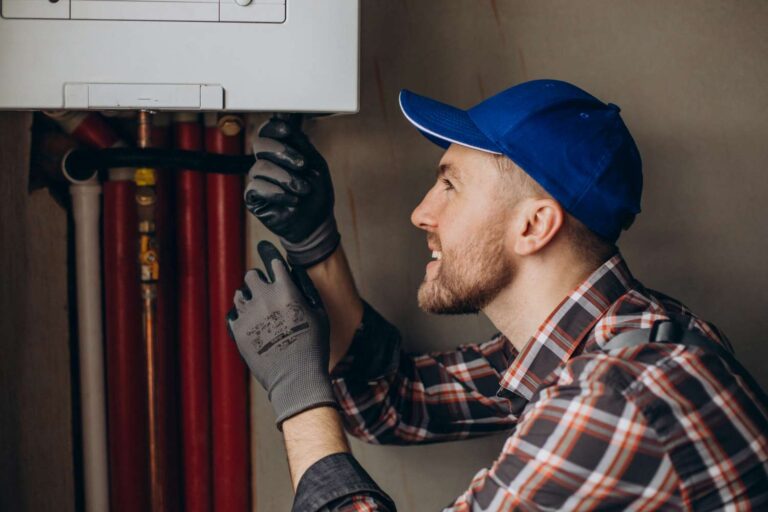
Table of contents
When is it a good idea to upgrade to a condensing boiler?
It is particularly worthwhile when you’re dealing with an old or inefficient existing system. If your current boiler frequently needs repairs or it’s clear that it’s no longer as efficient as it once was—often operating at around 60% to 70% efficiency—a new condensing boiler, which can achieve over 90% efficiency, can offer significant improvements. This upgrade not only reduces heating costs but also decreases carbon emissions, making it a greener choice. Another good time to consider switching to a condensing boiler is during home renovations or when planning to extend your living space. Incorporating a high-efficiency heating system during these changes ensures that your heating setup will meet the increased demands effectively. Additionally, if you’re motivated by improving the resale value of your home, installing a condensing boiler can be a compelling upgrade.
How to upgrade to a condensing boiler?
Upgrading to a condensing boiler starts with evaluating your existing heating system to determine if a newer, more efficient model is necessary. Research various condensing boilers to find one that matches your home’s heating requirements and has a high Annual Fuel Utilization Efficiency (AFUE) rating. It’s crucial to engage a certified HVAC professional for advice tailored to your specific needs, such as the boiler size and additional updates that might be required for your heating system. Once you’ve selected a suitable boiler, obtain quotes from multiple licensed contractors to compare costs and services. Ensure these estimates include all aspects of the upgrade, from the boiler purchase to installation and old boiler removal. Choose a contractor who offers a competitive price and has a good reputation for quality installations. The installation process itself will involve removing the old boiler, making any necessary adjustments to your heating infrastructure, and installing the new boiler.
This is what you need to know when upgrading to a condensing boiler!
Upgrading to a condensing boiler involves assessing your current heating system, choosing a model with a high efficiency rating, and consulting with a certified HVAC professional to ensure it fits your home’s needs. How does a condensing boiler work? A condensing boiler works by using a heat exchanger to capture and recycle heat from the exhaust gases that would otherwise be expelled through the flue. This process allows it to condense the steam in the exhaust back into liquid water, releasing latent heat that is reused to heat the incoming cold water. As a result, condensing boilers are more energy-efficient, achieving efficiencies of over 90% by using less fuel to produce the same amount of heat as non-condensing boilers. Below you can find examples of condensing boilers, which would be worth to check out:
- Viessmann Vitodens 100 W
- Worcester Bosch Greenstar i
- Navien NCB-E
- Baxi EcoBlue Advance
- Ideal Logic+ C30
Condensing boilers – pros and cons
Pros of condensing boilers:
- Higher efficiency
- Reduced heating bills
- Environmental benefits
- Compact bize
Cons of condensing boilers:
- Higher initial cost – condensing boilers generally cost more upfront than non-condensing boilers. This can be a significant factor when considering an upgrade. New condensing boiler cost: from £500 to £2,000.
- Complex installation
- Sensitive to freezing – the condensate produced in condensing boilers can freeze in the discharge pipe during very cold weather, potentially causing blockages and disruptions.
Summary
Upgrading to a condensing boiler can be a wise investment for homeowners looking to improve energy efficiency and reduce heating costs. These boilers operate by condensing water vapor in exhaust gases to recover latent heat, which significantly boosts their efficiency compared to older, non-condensing models. While the benefits include lower energy bills, a reduced carbon footprint, and compatibility with modern heating systems, there are considerations such as higher initial costs, potential installation complexities, and increased maintenance needs. It’s essential to consult with a certified HVAC professional, compare quotes from reputable installers, and consider the specific requirements of your home before making the upgrade. Proper installation and maintenance are key to harnessing the full benefits of a condensing boiler.

You might be interested in...
- Plumbing advice
17 September 2024
Reasons of a leaking radiator – this is what you need to know!
A leaking radiator can result from several common issues. Corrosion is a major cause, as rust can create holes or weaken the metal. Loose or damaged valves are another culprit, often due to wear and tear. The bleed valve, if not properly tightened, can also leak. Cracks or splits in the radiator body, caused by physical damage or manufacturing defects, can result in leaks. Additionally, joint or pipe connections may become loose or degrade over time. Regular maintenance and inspections can help identify and address these issues early, ensuring your radiator functions efficiently and leak-free.
- DIY
- Plumbing advice

17 June 2024
A leaking toilet – how to fix it?
Dealing with a leaking toilet can be frustrating, but it’s a relatively common problem that many homeowners face at some point. Fortunately, fixing a leaky toilet is often a straightforward DIY task that doesn’t require extensive plumbing knowledge. Whether the leak is at the base, from the water supply line, or between the tank and the bowl, addressing it promptly can prevent water wastage and save you from higher utility bills. In this guide, we will walk you through the steps to diagnose and fix the most common types of toilet leaks, helping you get your bathroom back in order quickly and efficiently.
- Plumbing advice
24 September 2024
New boiler installation – all you need to know!
A new boiler installation is a major investment that can improve your home’s energy efficiency, reduce heating bills, and provide more reliable heating. Whether you’re upgrading to a more efficient model or replacing a faulty system, understanding the types of boilers, installation costs, and necessary preparations is key. In this guide, we’ll cover everything you need to know about new boiler installation, from choosing the right model to finding a certified installer and considering long-term maintenance.